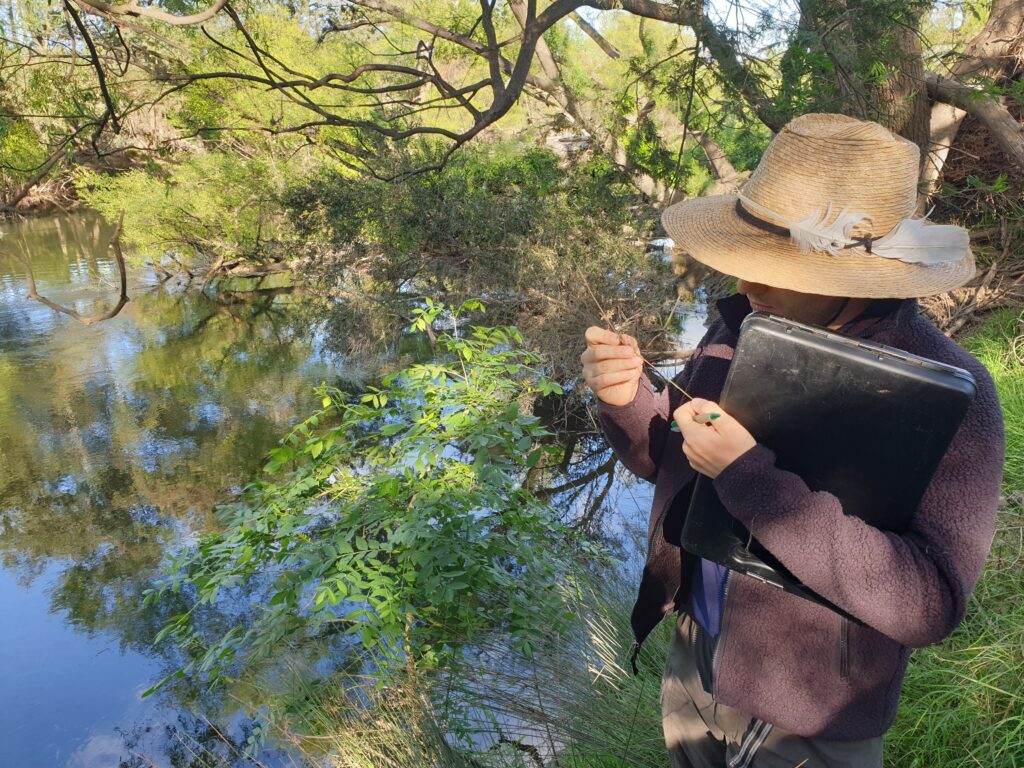
ARI is leading a monitoring and research component of Platy Patch.
The monitoring program will estimate the effects of carrying out rehabilitation efforts on Platypus habitat at the 14 intervention sites (CMA sites).
Baseline environmental conditions will be assessed at each site before any works are carried out, and then again at the end of the project.
The research component will seek to answer questions that are hard to assess within the short timeframe of the Platy Patch project, since many of the interventions are not expected to generate a response in Platypus until many years later. For example, it takes time for trees to grow large enough to increase shading, stabilise banks, and increase instream organic matter to support macro-invertebrates (which are a main food source of platypus). Therefore, research will be conducted to indirectly assess long-term outcomes of interventions. A combination of field and desktop work will be combined to generate predictive models that can forecast the expected benefit to Platypus, depending on combinations of on-ground and environmental factors.
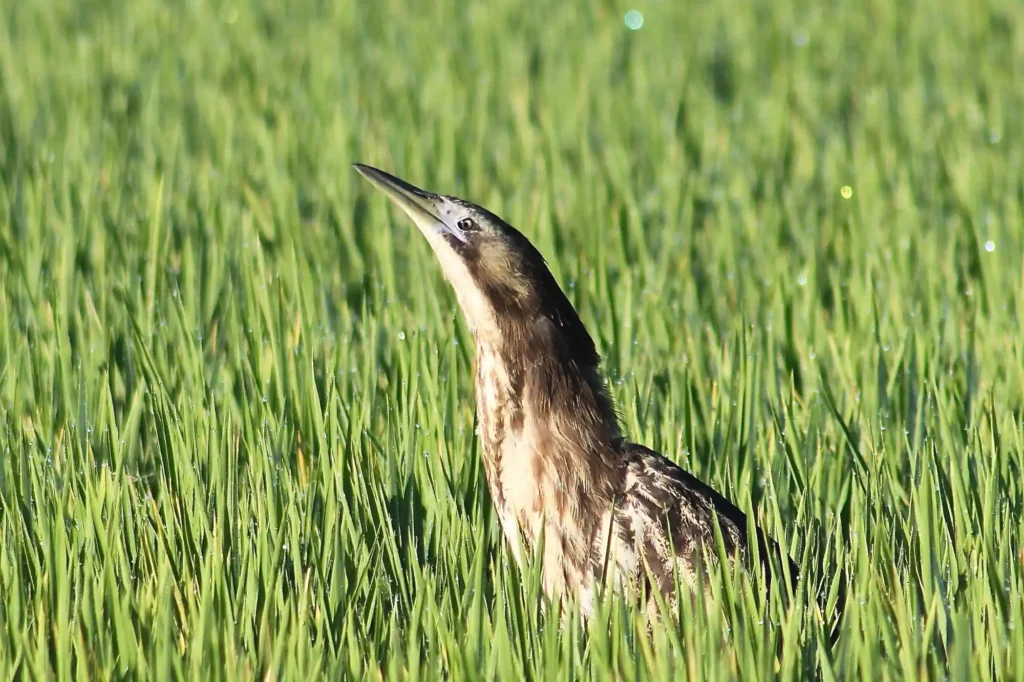
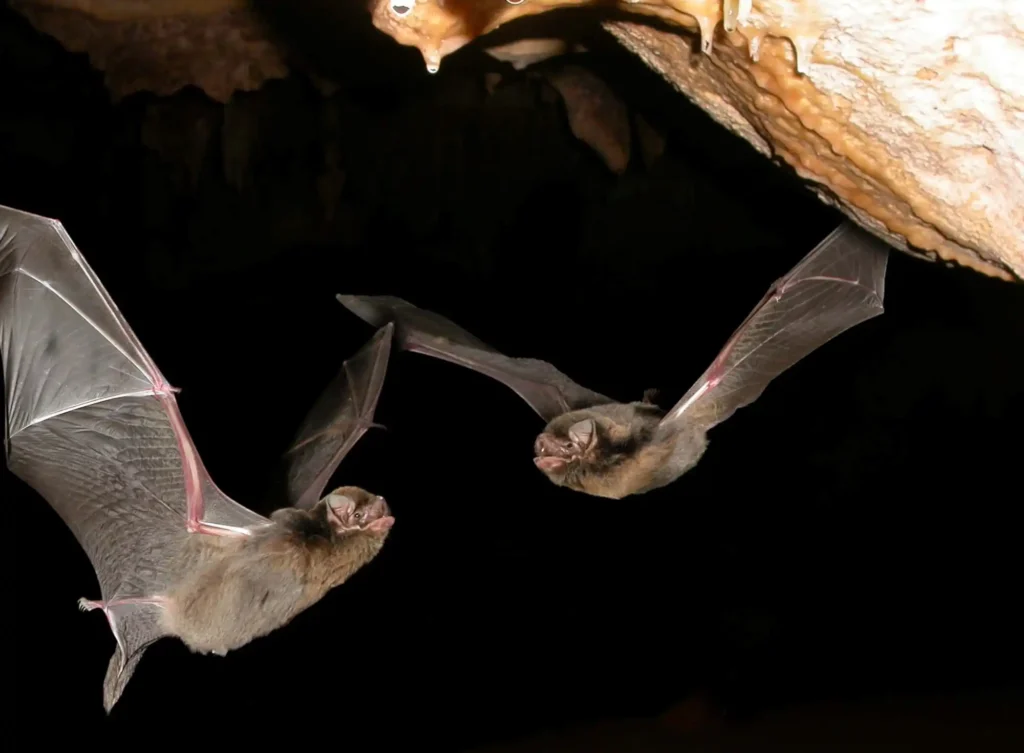
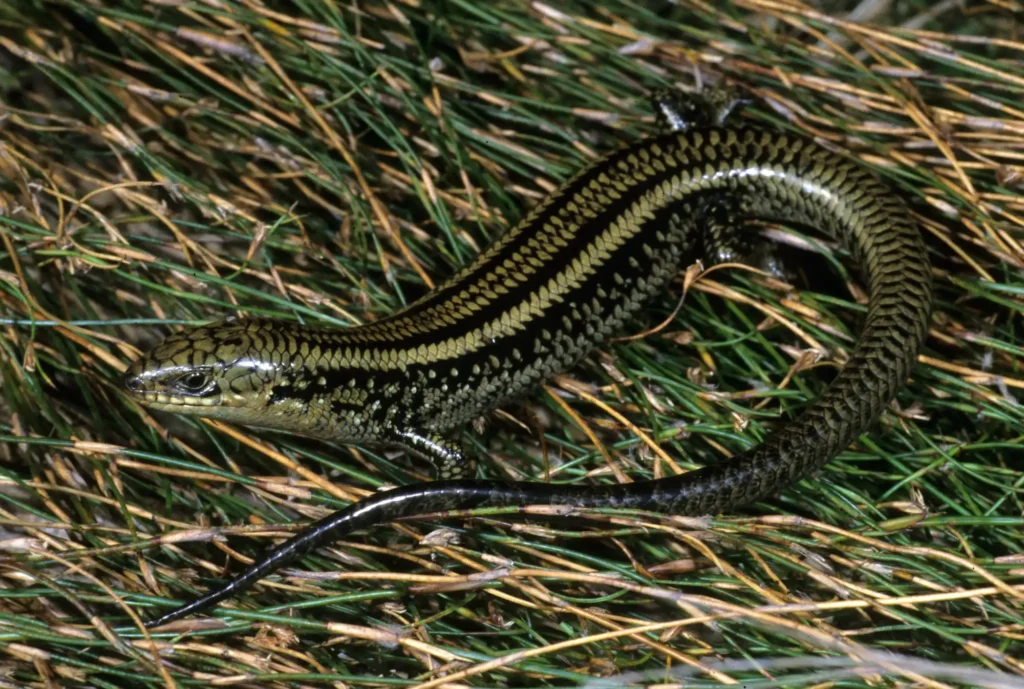
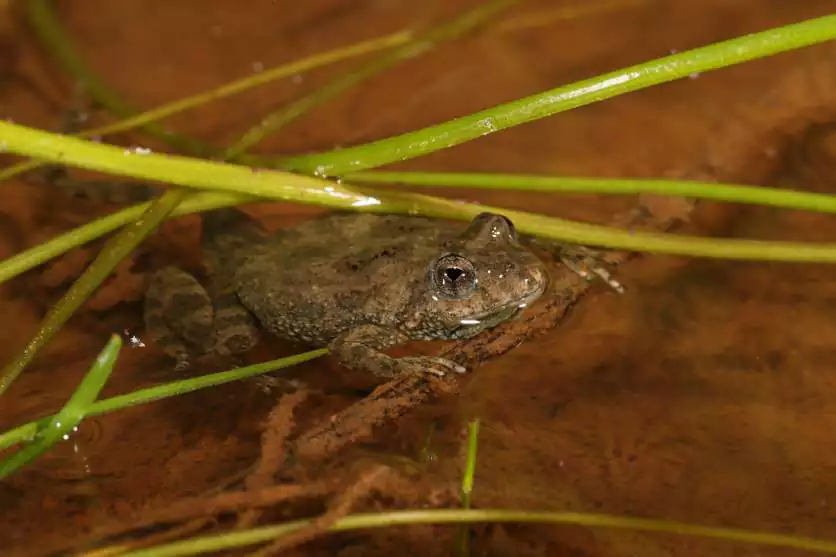
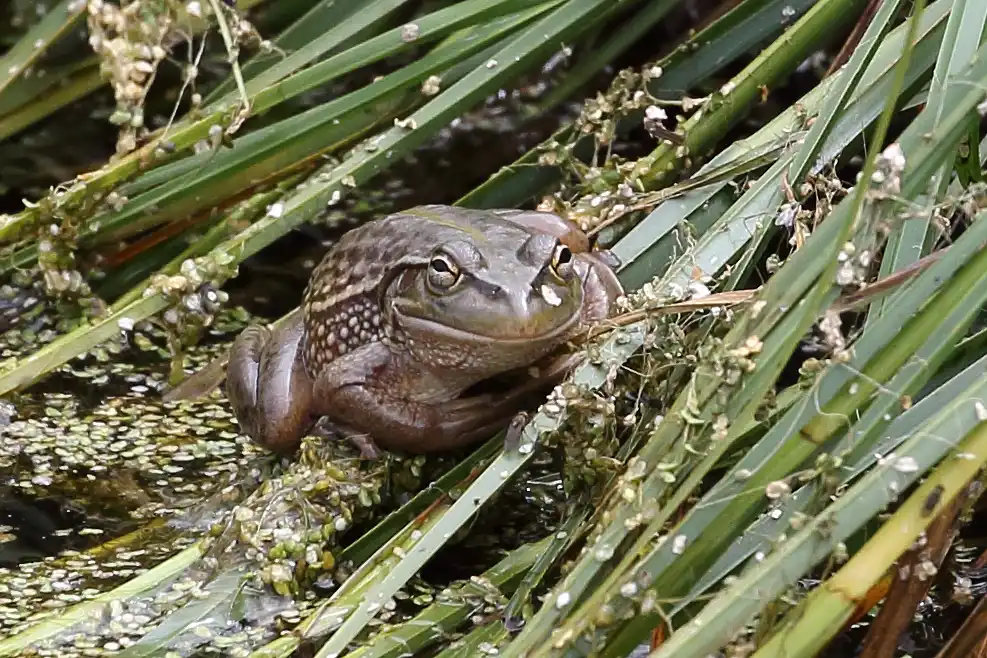
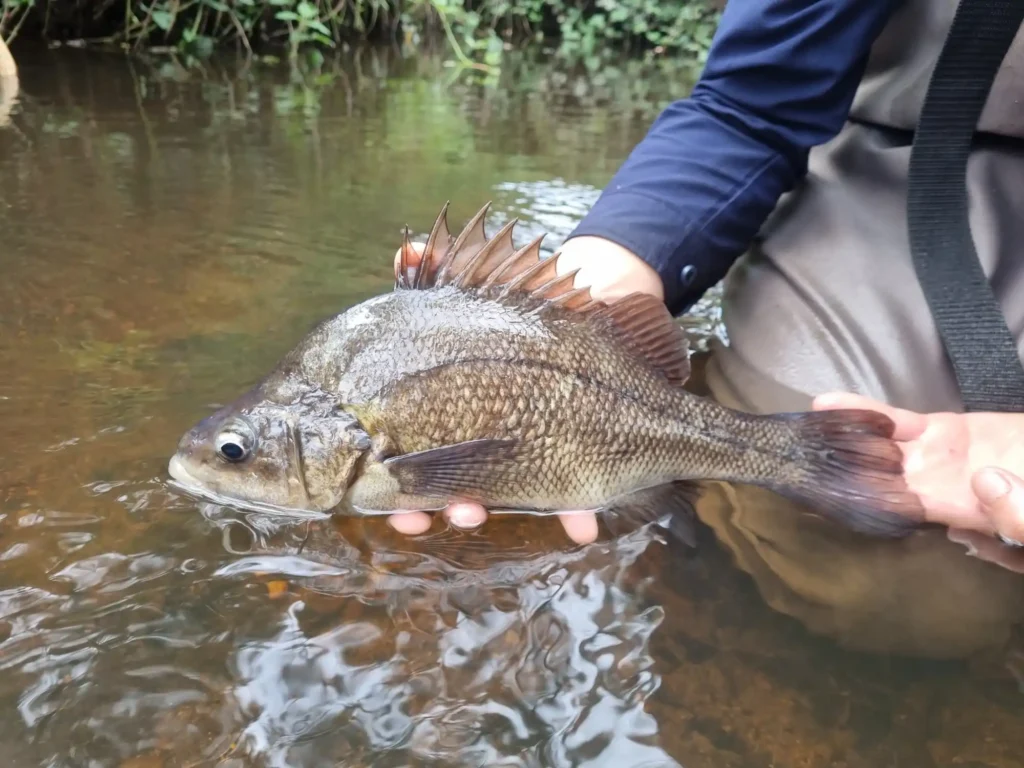
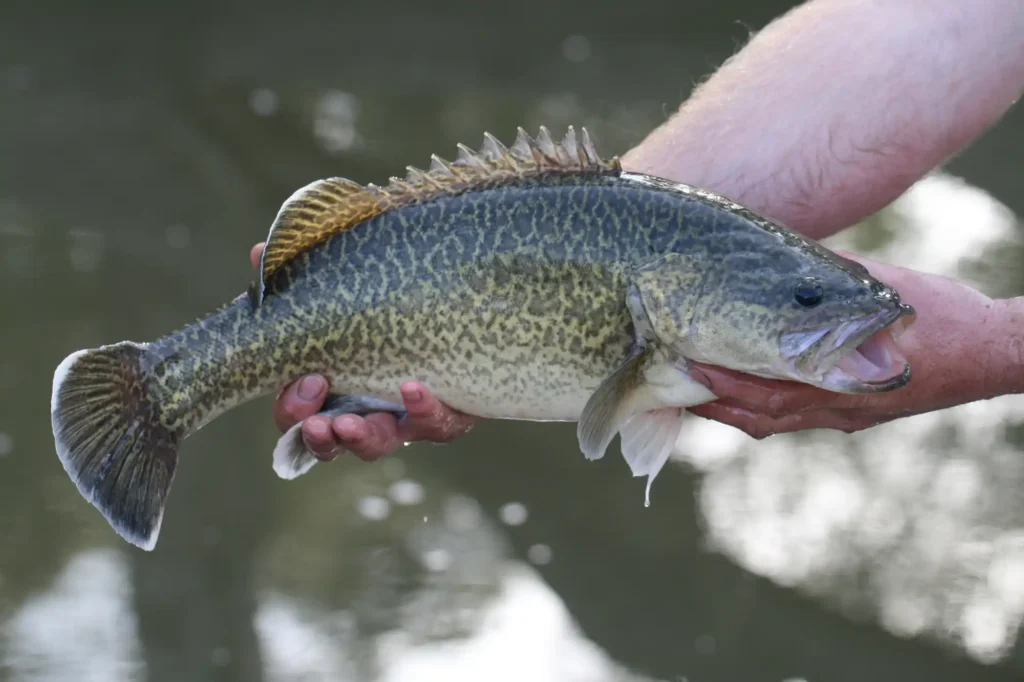
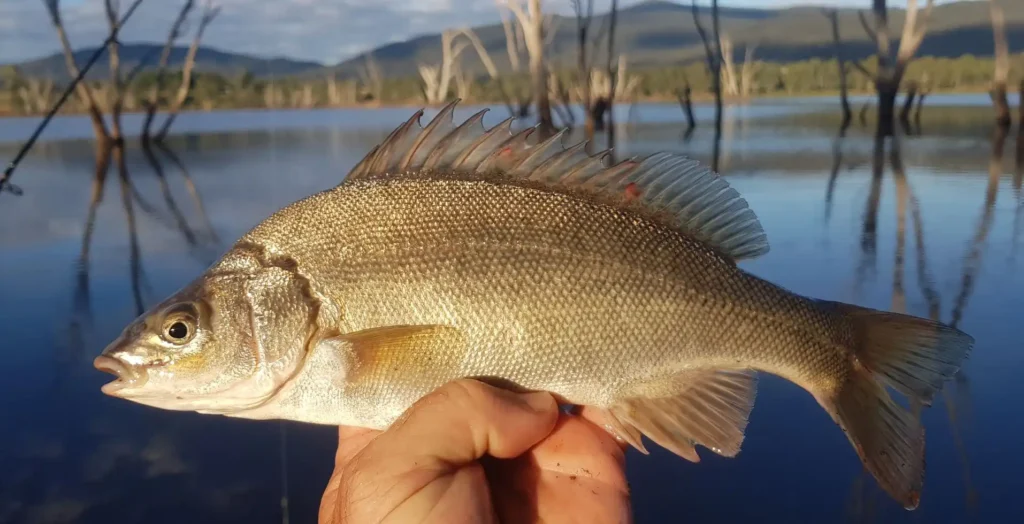
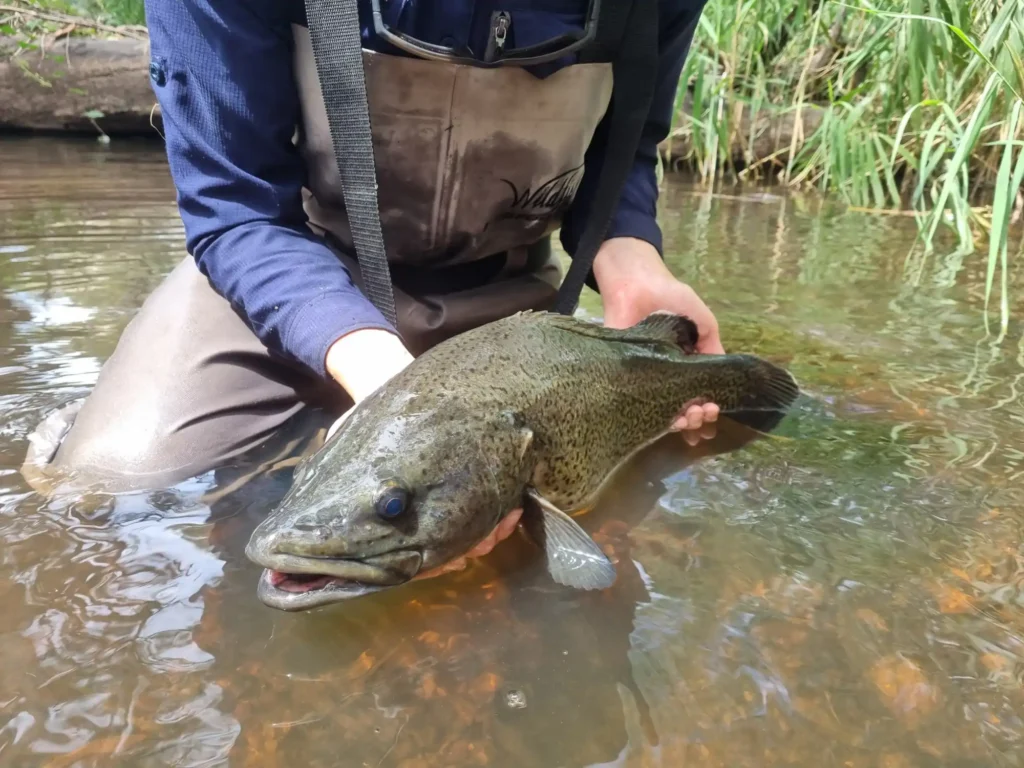
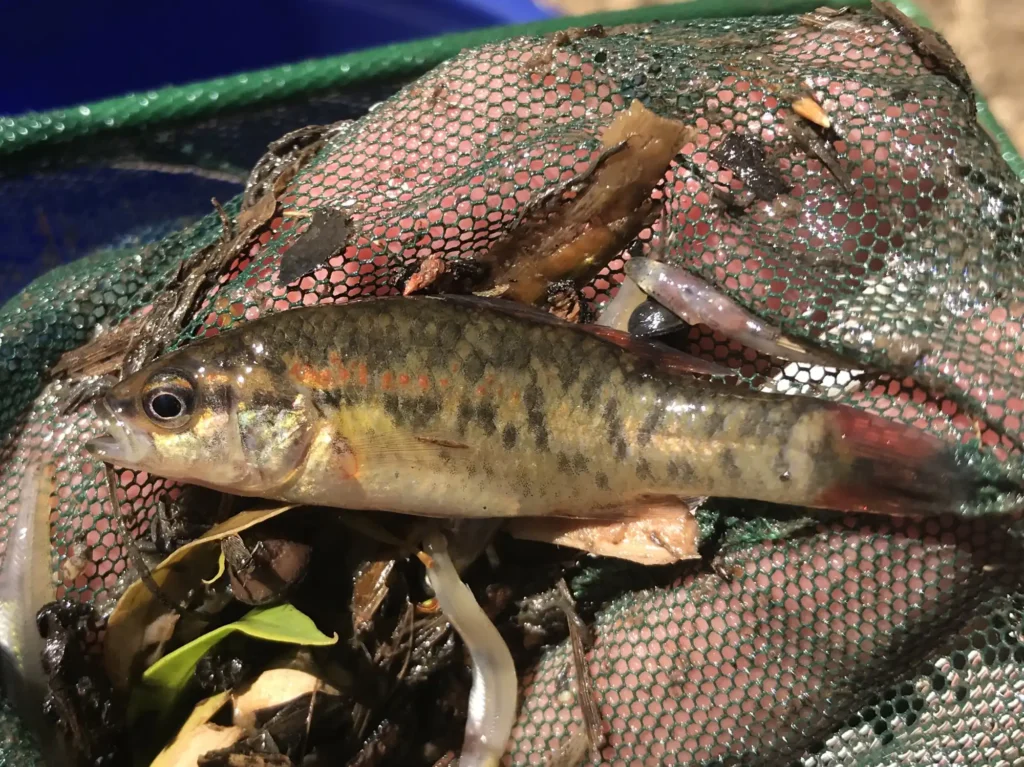
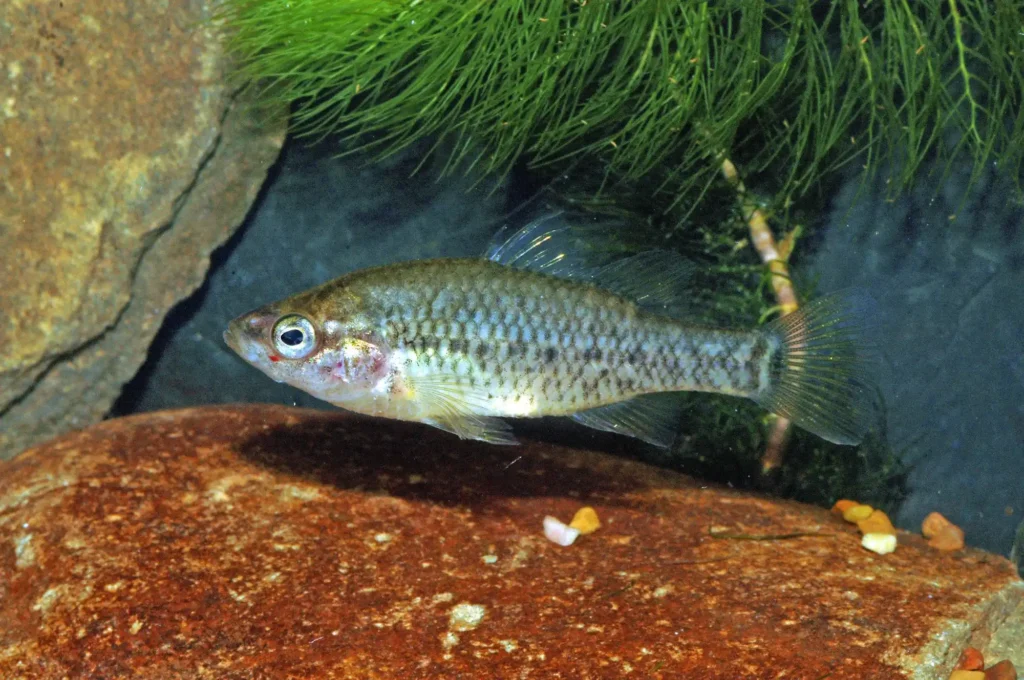
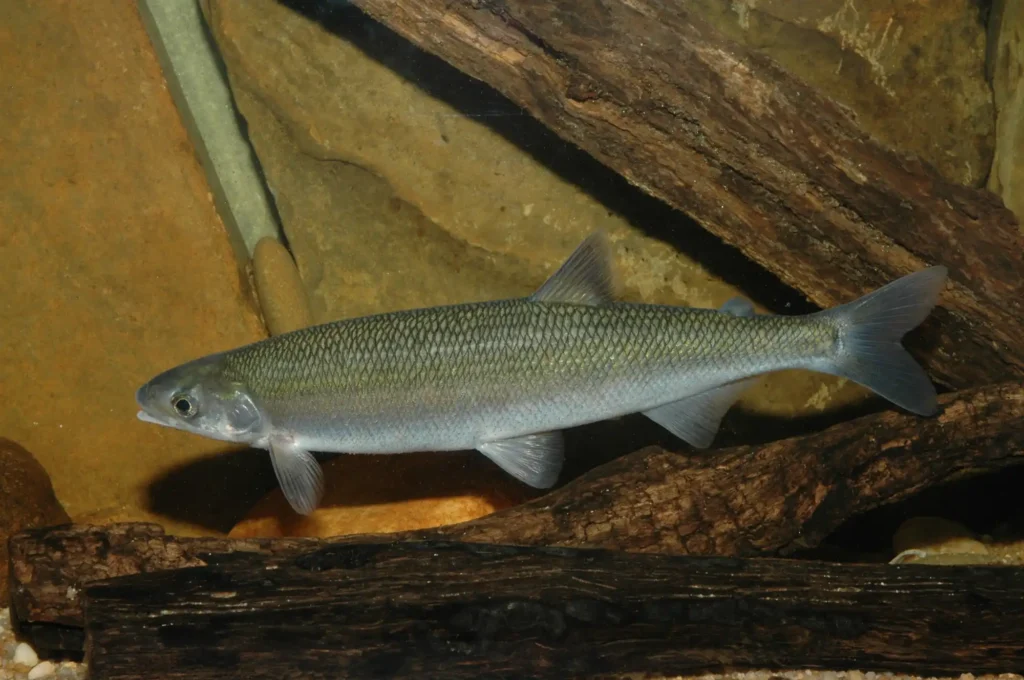
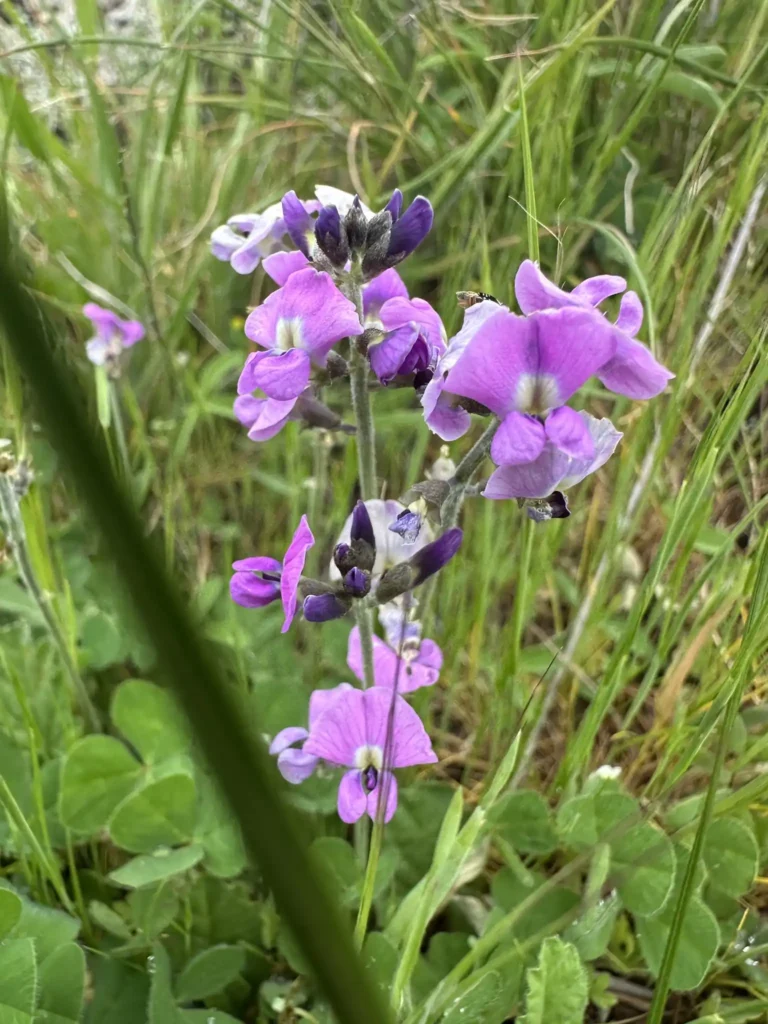
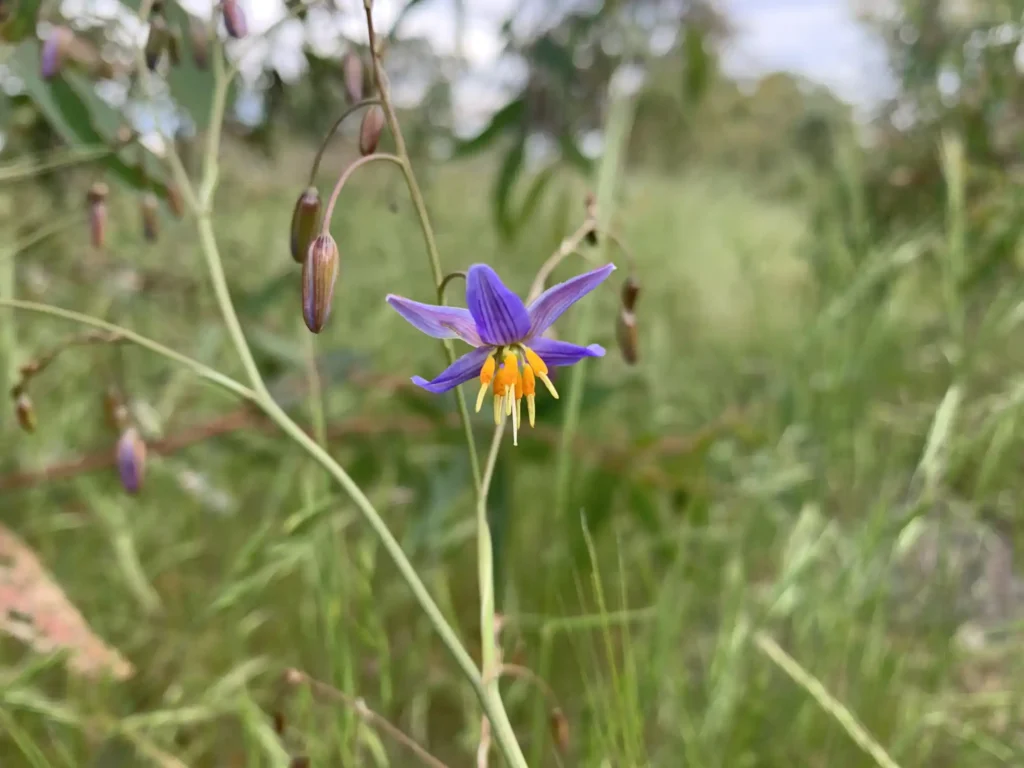
While Platypus is the main focus of the monitoring and research, other priority EPBC species will also be assessed. This work will use a variety of methods which may include eDNA sampling, ecoacoustic surveys, electrofishing, and camera traps. Some of this work will link in with other Victorian monitoring programs and local CMA-led programs.
The Smart Tank Network project in Monbulk Creek will be evaluated by Melbourne Water – more details on the progress on this can be found at Smart Rainwater Tank program.